Image Map
Showing posts with label characters. Show all posts

Wednesday, February 4, 2015

Where to Find Character Names

Photo Credit: Benjamin Staudinger on Flickr
One of the most difficult aspects of writing is coming up with character names. This process doesn't seem like it would be tough, but it is.

Where can you find original names? How do you keep them from sounding fake? And if you're using the names of real people, how can you do that without offending anyone?

I've tackled those questions in my own writing life, and I want to help you simplify the character-naming process.

With that in mind, here are some sources I like for finding character names:
  • Baby name books and websites. When I first started writing, I used this method for most of my character names. You can find baby name books in thrift stores like Goodwill for less than a dollar in most cases, or you can visit any of these three websites.
  • People I know. Be careful when using this technique. You don't want to take the exact name of someone you know. I like to mix and match, taking one first name with a different last name.
  • Famous figures in history/literature. Again, you should be careful not to use exact names here. One of my favorite name combinations is Dorian Jay; Dorian from THE PICTURE OF DORIAN GRAY and Jay from THE GREAT GATSBY.
  • Movie/television credits. I watch a lot of movies, so this is my current favorite method for finding character names. Take one first name and mix with one last name. Since the names belong to real people, you don't have to worry too much about them sounding made-up.
  • A character name generator. These two are my favorites. The first one even allows you to generate different types of names, such as fairy, hippie, and fantasy names.
Character names are one of the smallest details of your writing, but also one of the most important. Armed with these tips, I hope you'll have a much easier time picking names for all your fictional pawns.

What do you think? How do you come up with character names?

Tweet tweet:
Blogger @brianawrites shares her tips for coming up with character names. (Click to tweet)

Monday, June 9, 2014

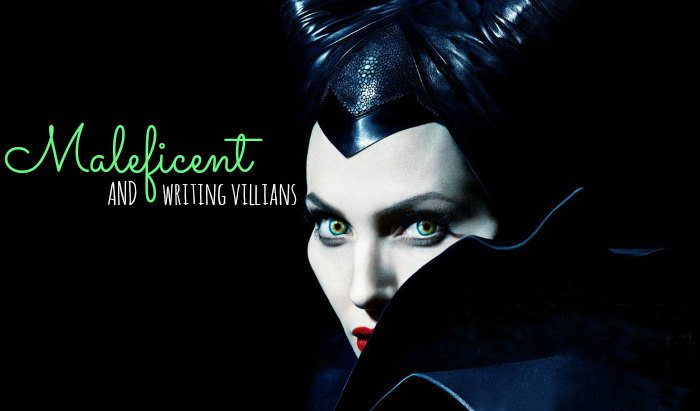
Maleficent and Writing Villains

maleficent-watch-first-trailer-movie-angelina-jolie

The other day my mother and I went to see Maleficent. In spite of not knowing much about the film going in, she and I both thoroughly enjoyed it. From the cinematography to the makeup to the characters themselves, everything was wonderful.


What captured my attention most of all was Maleficent.


Why?


Because she was portrayed as a sympathetic character rather than a one-dimensional villain.


I'll refrain from spoiling as much as I can. All you need to know is that in this version of the classic tale, we get much more of Maleficent's backstory. We see her as a young faerie and learn about the events that have hardened her heart. It is easier for us to understand her (otherwise questionable) actions because we know her past experiences and have a better sense of her wants and motivations.


Most importantly, Maleficent is dynamic. At the end of the film, she is a different woman than she is toward the beginning. Once again, I don't want to spoil, so that's all I'm going to say about that.


Maleficent was delightful, refreshing, and entertaining. While watching the film, I also learned a great deal about writing likable and three-dimensional villains. Whenever you want to add depth to your baddies, make sure they have a backstory, clear motive for what they do, and some kind of arc.


If the villain hasn't been changed by the events of the story, then what is the point for the story at all?


Have you seen the movie? What did you think? What do you think is the key to creating quality villains?


P.S. The 4 "A"s of Characterization, How to Develop Stronger Characters, and How to Get into Your Characters' Heads.

Friday, May 16, 2014

11 Steps to Crafting Characters

Woman Writing on Laptop

I hate character profiles.


Don't get me wrong; I understand their value, I just don't feel like I have the time to fill out every single detail laid out on the page. Is everything relevant to what I'm working on? I don't think so.


If you're anything like me, you wish there were some way to create realistic characters without going overboard. If you'd rather not wax poetic about your protagonist's shoe size or most embarrassing nightmares, all is not lost.


Want to make your characters stand out from the page? All you have to do is follow these eleven simple steps.


  1. What role will this character play? Protagonist, antagonist, love interest, what?

  2. What is their name? Nickname?

  3. Where are they from?

  4. Gender?

  5. Age?

  6. What's their background? Family history, wealth, significant life events?

  7. Race/ethnicity?

  8. Sexuality?

  9. Personality? Good and bad qualities?

  10. Likes and dislikes?

  11. Goals/hopes and fears?


You don't need a complicated spreadsheet to make a three-dimensional character. Ask yourself these questions, answer them, and you should be good to go.


What tips and advice do you have for creating believable characters? What do you think of these tips?


P.S. 4 "A"s of Characterization, How to Develop Stronger Characters, and Where to Find Character Names.

Friday, March 21, 2014

From the Archives: The 4 "A"s of Characterization

OLYMPUS DIGITAL CAMERA

Every writer understands the importance of creating believable characters. Story revolves around people--therefore, characters are arguably more important than plot. Whether you're writing a novel, short story, memoir, or personal essay, it's vital that you make your actors as three-dimensional as possible. Consider the following four "A"s of characterization:

1. Actions. What risks has the character taken in the past? How has he or she treated family and friends? What about enemies? What hobbies does he or she enjoy? What has your character done? What is he or she doing in the story?

2. Attitudes. How does the character feel about gay marriage, abortion, religion, and other  hot-button issues? What are your characters' views on the world?

3. Artifacts. What are your characters' prized possessions? What shelter do they have? What cars do they drive? What's the first thing they'd save in the event of a fire?

4. Accounts. What are some noteworthy anecdotes about these characters? What do other people have to say about them? What rumors have been circulated?

This is a rough list of just a few questions you can use to generate information for your four A's. If you want better characters, give this system a try. And good luck.

What do you think of this system? How do you like to flesh out your characters?

Click to tweet: Want fully-formed characters? @thecollegenov has some tips. http://wp.me/p2FPLe-EH

Monday, January 20, 2014

Where to Find Character Names

Image


A few years ago I walked into Goodwill with the intention of purchasing a gently-used sweater. I walked out with a baby name book that made my mother raise an eyebrow.


"Is there anything we need to talk about?" she asked.


I laughed and explained to her that I was going to use it to find names for my characters. She wasn't the only one I needed to explain my purchase to. Any time I whipped out the book, my friends, coworkers, and loved ones all wanted to know what use I had for it. If you're a writer, you need several resources for character names. While a baby name book is one example, there are several other options.


A close second to the baby name book is the baby name website. The internet is full of these; they're cropping up all over the place! Some of my favorites include Behind the Name, Baby Name Voyager, and Baby Names. These sites contain lists of popular names as well as the meaning, history, and origin of them. If you don't want to go out and purchase a book, you should utilize these free resources.


Here's a tip for names that I bet you've never heard: the next time you watch a television show or a movie, pay attention to the credits. Pick a first name and combine it with a different last name. Congratulations! You've named your character!


Another great method is to take a stroll through a cemetery and pick some names off headstones. If you don't feel comfortable using names that have belonged to people, mix them up like you did with the movie credits exercise.


One of the most difficult things about being a writer is knowing what to name your characters. Hopefully these free resources can help. Happy naming!


2

Friday, October 25, 2013

Costume Ideas Based on Literary Characters

costume
In case you hadn't noticed, Halloween is close at hand. It's less than a week away. If you don't have a Halloween costume yet, there's no need to panic. I'm happy to help. Here are a couple of ideas based on characters from famous works of literature.

Hester Prynne

All you need for this look is a black dress, a white apron, some black shoes, and a scarlet letter. Bonnet and child born of wedlock are optional.

Jay Gatsby

Pull off the infamous American Dreamer by dressing in a suit and carrying around a glass of champagne. Be sure to mention Daisy and green lights wherever you go. Also, don't forget to say, "old sport" as much as humanly possible. Bonus points for hosting a legendary Halloween party without sending out any invitations.

Big Brother

Take a piece of poster board and cut out a hole in the middle for your head to fit through. Write BIG BROTHER IS WATCHING YOU in bold letters with a permanent marker. For added paranoia, hide cameras all over your friends and family. And grow some nasty facial hair. By the way, you may or may not actually exist. Keep that in mind.

Mina Harker


Here's another for the ladies. Put on a nightgown, preferably a lacy one. Muss your hair and wear it loose. Apply fake blood to your neck as though you've been bitten by a vampire. Faint constantly throughout the evening. Babble incoherently about uninvited nighttime guests.

I know this post is short, but this should've given you a few ideas for your Halloween costume. 

What do you think? What are you going to be for Halloween?

Saturday, December 8, 2012

How to Get Into Your Characters' Heads

brian


As a writer, I know it's difficult to get inside your characters' heads, especially if a character is different from you. Creating believable characters means getting to know a character all the way down to the core of his or her being. If you're finding it hard to identify with your character and figure out everything that makes him or her tick, consider trying the following strategies:


Write an entry in your character's journal.


Write a letter from your character to a friend or loved one.


Walk, talk, eat, and move like your character for a set amount of time.


Write a bulleted list of important moments in your character's life.


Make a playlist of songs that remind you of your character.


These are just a couple of techniques for getting over writer's block where characters are concerned.


What do you think? How do you get into your characters' heads?

Friday, November 23, 2012

The 4 "A"s of Characterization

OLYMPUS DIGITAL CAMERA
Every writer understands the importance of creating believable characters. Story revolves around people--therefore, characters are arguably more important than plot. Whether you're writing a novel, short story, memoir, or personal essay, it's vital that you make your actors as three-dimensional as possible. Consider the following four "A"s of characterization:


1. Actions. What risks has the character taken in the past? How has he or she treated family and friends? What about enemies? What hobbies does he or she enjoy? What has your character done? What is he or she doing in the story?

2. Attitudes. How does the character feel about gay marriage, abortion, religion, and other  hot-button issues? What are your characters' views on the world?

3. Artifacts. What are your characters' prized possessions? What shelter do they have? What cars do they drive? What's the first thing they'd save in the event of a fire?

4. Accounts. What are some noteworthy anecdotes about these characters? What do other people have to say about them? What rumors have been circulated?

This is a rough list of just a few questions you can use to generate information for your four A's. If you want better characters, give this system a try. And good luck.

What do you think of this system? How do you like to flesh out your characters?

Friday, September 28, 2012

How to Develop Stronger Characters


310523_422132914510802_899500011_n_large

In contemporary fiction, one of the greatest tendencies of the budding novelist is to develop characters that are flatter than the state of Florida. One-dimensional characters create boredom, prevent your reader from sympathizing with them, and make your entire story fall flat. If you're looking for a way to improve your character development, here are some tips for building better people to inhabit your next story:

1. Watch out for cliches. We're all familiar with "the hooker with the heart of gold" (Pretty Woman) and the unreliable narrator with dissociative identity disorder (Fight Club, Secret Window). No one wants to read about a character they've met before. Put simply, if you've heard it or seen it in a movie, on television, or in another book, either throw it out or turn it on its head.

2. After you've managed to pick out the cliches, look for ways to defy your readers' preconceived expectations. For example, if your protagonist is a cheerleader who is sleeping with the football team, find a way to change it up and deviate from the stereotype. You could, for instance, paint a picture of an unattractive cheerleader who only made the squad because her mom is the school principal. See how much more interesting that is already?

3. Give your characters flaws. In the previous example about the unattractive cheerleader, the protagonist's flaw would be her homely appearance. Flaws are essential to characterization because they make your characters seem more human--and, as a result, much more sympathetic. When developing flaws for your characters, consider the emotional and mental as well as the physical. While there's nothing wrong with making a character fat or ugly, wouldn't it be more interesting to give them schizophrenia?

4.Don't go overboard with physical description. It doesn't matter too much what your character looks like. Just give a brief overview--with one striking detail, such as a beaked nose--and your audience will be able to come up with the rest.

5. If you can't get into a character's head, try writing up a one-page character history. On this page, you can include your character's age, appearance, wishes, dreams, failures, successes, possessions, love interests, hobbies, occupations, philosophies, and so much more. This piece of paper will be a guideline as you go through writing a draft of the piece. Not all of the information needs to make it into the work itself, but it's useful to keep in mind.

In closing, characters are one of the most significant elements regarding writing fiction. After all, most people read fiction to learn about people who are different from themselves. By improving the quality and depth of your characters, you can make your prose much more appealing to your readers.

What do you think about these tips? How do you go about creating your characters?
Related Posts Plugin for WordPress, Blogger...